


Building the Bones of a Hypercar: A Deep Dive into Lightweight Cabin Design
by Kishor Thakare.
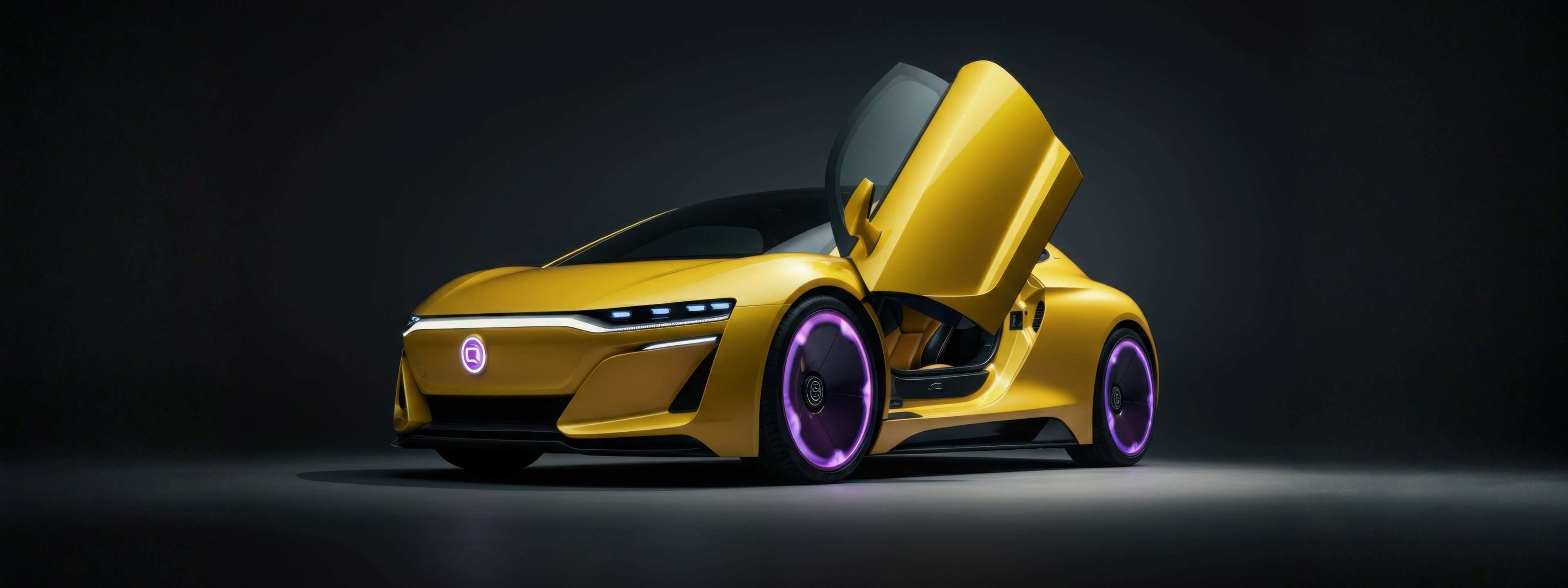
Hypercars occupy a peculiar space in the automotive world. They are simultaneously road-legal machines and engineering showcases, expected to meet strict safety regulations while pushing the absolute limits of what a lightweight, high-performance vehicle body can be. At the heart of every hypercar is the cabin: a structure that must protect the occupant, integrate seamlessly with closures and exterior panels, and be built at a fraction of the weight of a conventional steel body.
This case study details how our body engineering team approached the delivery of a full BIW, closures, interior, and exterior design for a next-generation hypercar from the ground up.
What the Project Demanded
The scope was broad by design. We were tasked with designing the complete lightweight, high-strength cabin, including the carbon fibre tub, closures, interior trim, and exterior systems. Beyond the geometry, the deliverables included a full Engineering Bill of Materials (EBOM), Dimensional Control Strategy (DCS), Design Failure Mode and Effects Analysis (DFMEA), and target books.
The vehicle also had to meet UK IVA (Individual Vehicle Approval) requirements, a regulatory framework that demands documented proof of structural and safety compliance of the hypercar before it can be driven legally on public UK roads. In short, this was not a styling exercise. It required a production-intent engineering programme anchored in real-world regulatory constraints and supplier readiness.
The Challenges We Navigated
Working across four interconnected systems, body structure, closures, interior, and exterior, meant that no single decision existed in isolation. A change in the carbon fibre tub wall thickness to meet a crash load case would ripple through the door-hinge geometry and interior trim clearances. Managing these interdependencies demanded tight coordination from day one.
The closure design added its own layer of complexity. Butterfly-opening carbon fibre side doors with full-glass drop are mechanically demanding: the kinematics must clear the roofline, and the door structure must withstand both fatigue and side-impact events. Getting this right in carbon fibre, a material that is unforgiving of stress concentrations, required significant early-stage simulation and analysis.
The Approach We Took
We started with a feasibility assessment, benchmarking regulatory requirements for driver vision, ingress/egress, hand reach, and surface quality against critical master sections. For the structure, we generated 3D cabin concepts that accounted for the manufacturability of carbon fibre tubs, crash load-path management, closure feasibility, and part-mounting strategies.
Our process included:
- Benchmarking of competitive vehicles and lightweight body part technologies.
- Selection of carbon fibre material (T700 and T800) and layup strategies for specific body parts.
- Detailed front and rear aluminium crash box design with virtual validation.
- Coordination with suppliers on SOR (Statement of Requirements), DCS, and technical specifications to ensure manufacturing feasibility.
- Building a live EBOM from the 3D concept, with material and weight data embedded from the start.
What We Delivered
The outcome was a lightweight, high-strength carbon fibre body structure that successfully integrated aerodynamic exterior panels with a high-end, sporty interior. We delivered a vehicle-level programme that met the stringent UK IVA regulatory requirements through a design validated for production intent.
Our final deliverables package included:
- Comprehensive Engineering Documentation: A full set of production-intent documents, including the EBOM (with embedded material and weight data), DCS, DFMEA, and target books.
- Integrated Technical Specifications: A complete SOR and detailed technical specifications, developed through close coordination with suppliers to guarantee manufacturing feasibility.
- Analytical Validation: Every core system, from complex butterfly door kinematics to front and rear aluminium crash boxes, underwent rigorous virtual validation for crash, durability, and stiffness load cases.
- Production-Ready Strategy: A fully detailed trim body part strategy that accounted for material layers and wrap materials, supported by an optimised assembly sequence plan.
By aligning the 3D design concepts with CAE-backed supplier manufacturing feasibility reviews, we ensured that every system was analytically tested before a single physical part was cut, allowing us to bridge the gap between initial styling and a compliant, road-legal hypercar.
Partner with Hinduja Tech for Your Hypercar Vision
Low-volume hypercar programmes are deceptively demanding. Getting the structure, closures, interior, and exterior right in a single coordinated programme requires a methodology that keeps all domains in constant conversation. Hinduja Tech specialises in this exact methodology.
Ready to build the bones of your next hypercar? Contact our team at info@hindujatech.com to discuss how we can support your complex, high-performance vehicle programmes.

About Author

Kishor Thakare
Subscribe to Email Updates
FOLLOW US ON
LinkedIn @Hinduja Tech Limited
Categories
- Body Engineering (7)
- Digital Services (8)
- Electric & Future Mobility (10)
- Product Engineering Services (3)
- RelAI (1)
- SAP (3)
- Thermal Management (2)
- Commercial Vehicle (2)
- Industrial simulation (3)
- Supply chain engineering (1)
- Ergonomics (1)
- Human simulation (1)
- Automotive (4)
- Manufacturing (3)
- General (1)
- Sustainable (8)
- Engineering (13)
- Innovation (2)
- Electronics (1)
- CAE (7)
- Digital Technology (1)
- Supply Chain Management (4)
- vehicle electronics & software (6)
- vehicle engineering (2)
- Mobility (5)